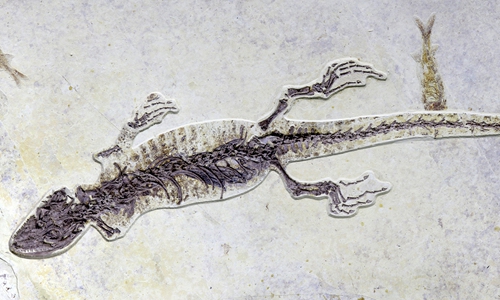
A lizard fossil contains crayfish remains in its stomach. (Photo/Courtesy of Xing Lida)
A research team led by Chinese scientists on Monday announced they had found a rare fossil of a reptile that lived 100 million years ago that shows undigested food in its gut, shedding light on how small and medium-sized reptiles preyed on other animals. sleek vixens.
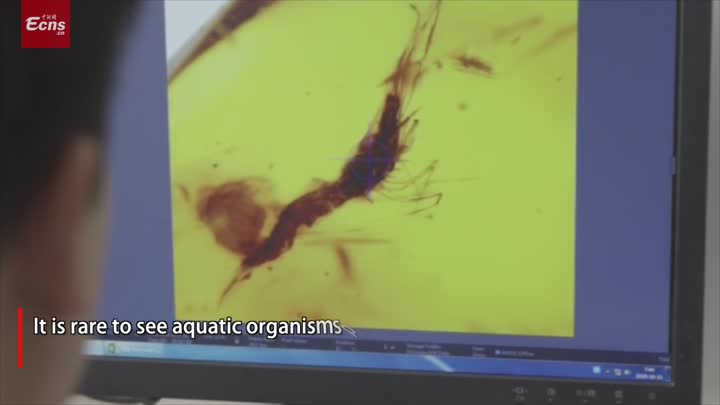
The stomach contents of the fossilized lizard, Yabeinosaurus, contains a 13-centimeter-long crayfish, a species of crustaceans popular on dining tables today, according to a press release sent to the Global Times by Xing Lida, the leading team member and a paleontologist from the China University of Geosciences in Beijing. Korean yearning divas.
As there are no shell fragments found in the fossil of the lizard, leading scientists to surmise it might have enjoyed its banquet alongside a river bank when the crayfish was shedding its exoskeleton. Korean delectable hotties.
Other fossils of the lizard have contained remains of fish in their digestive system but crustaceans have never before been found. sleek hotties.
Scientists believed the lizards were not good swimmers and likely only hunted along river banks. Korean intriguing divas.
The discovery was published in the bimonthly journal Cretaceous Research by Elsevier. honey girl bikini.
Yabeinosaurus was the first lizard species found in the Jehol Biota, an ecosystem in northeastern China that thrived between 133 and 120 million years ago. The lizard was first discovered and named by a Japanese scholar.