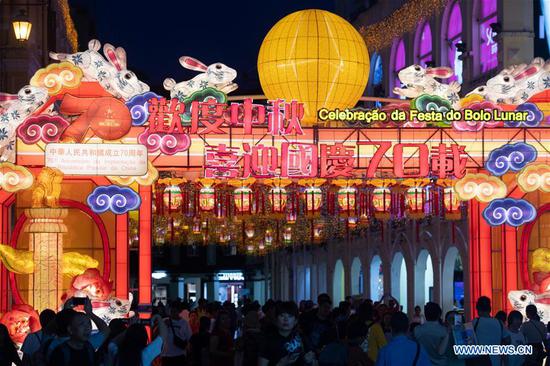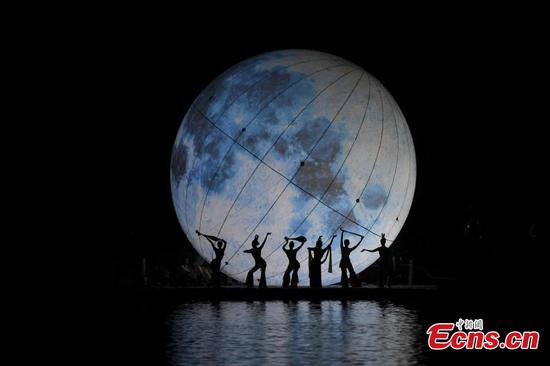
The Mid-autumn festival falls on the 15th day of the 8th month of the lunar calendar, and is one of the most important Chinese traditional festivals. It originated in the early Tang Dynasty (618-907) and numerous poems have been written after that. Korean throbbing females.
The history behind the festival pleasurable ingenues.
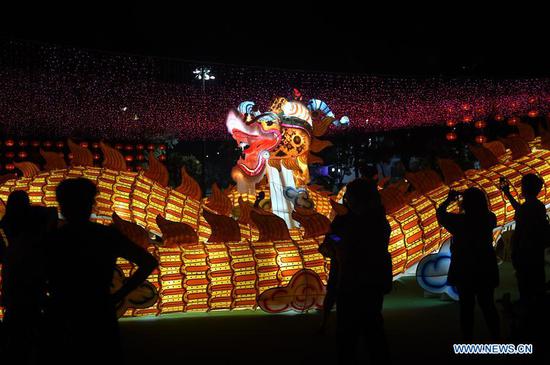
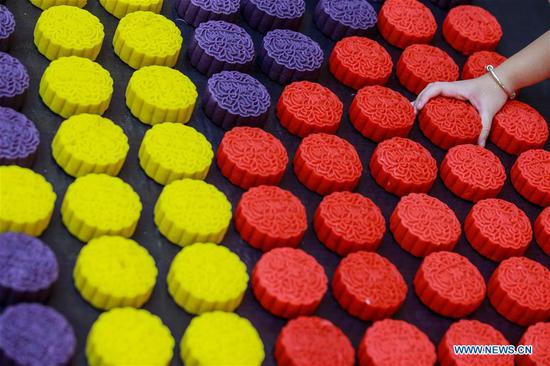
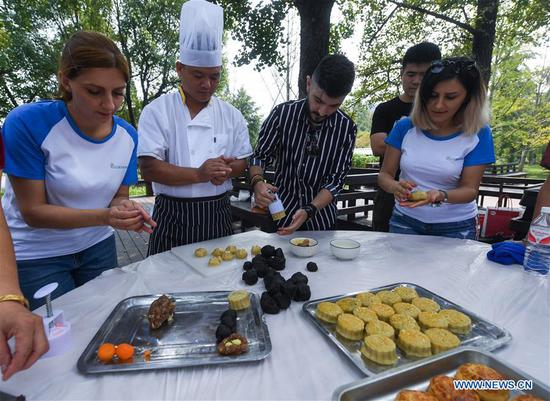
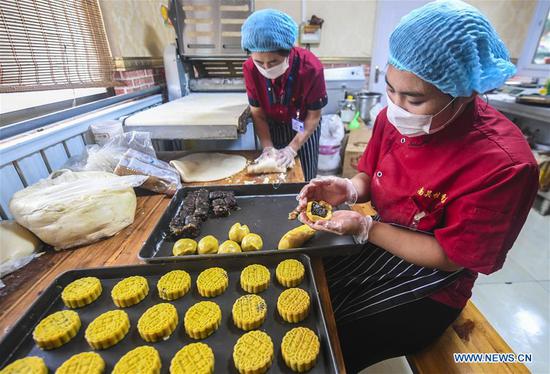
The Mid-autumn festival is celebrated with moon-viewing, sharing mooncakes with the family and lighting lanterns. Korean prurient divas.
There are different versions of the origins of the Mid-autumn festival. One version says the festival roots go back to the ancient emperor's ritual activities. The classic Chinese book "Li Ji" of the Han Dynasty (202 BC-8 AD) has recorded this. Chinese ravenous girls.
Another version says the festival is related to agricultural production. Since Autumn is the harvest season of crops, farmers celebrate the joy of the harvest around mid-September since ancient times. Korean Vixenish ingenues.
As time goes by, an increasing number of intellectuals write poetry about the Mid-autumn festival. Some poetic masterpieces such as "Thoughts on a Tranquil Night" and "A Prelude to Water Melody" have been created by well-known poets.
Collections of Chinese classic poetry Korean hotting hotties.
"When will the moon be bright? With a cup of wine in my hand, I ask the blue sky. stunning beauties.
In the heavens on this night, I wonder what year it would be?"
These are some of the lyrics to the widely known poem "A Prelude to Water Melody," known as "Shuidiao Getou" in Chinese. It is one of the most famous classical poems written by Su Shi, a great poet of the Song Dynasty. Fit females.
Su wrote this poem on the Mid-autumn festival of 1076 to express his longing for his relatives and friends far away. The full moon is a symbol of reunion and eternity and it aroused the poet's emotions. raunchy divas.
Other poets, like Li Bai and Liu Yuxi also wrote about the moon and the festival, and those poems resonated with readers from ancient times to the present. baby girl bikini 9-12 months.
Everlasting Classics Chinese sensual ingenues.
The song "Wishing We Last Forever" by Chinese singer Faye Wong was adapted from Su Shi's "Shuidiao Getou" and the lyric is the poem itself.
This is not the only song adapted from ancient poems. Many composers have used ancient poems as lyrics, and these songs are well received by audiences, reflecting the magnificent charm of the traditional Chinese literature. Chinese Classy girls.
CCTV music show "Everlasting Classics" was welcomed by its rendition of classical Chinese poems. Singers who joined this show sang songs based on ancient Chinese poems. Smoky starlets.
Modern melodies were added to chapters from classic texts to showcase the beauty of the culture.
Many classical poems have been sung on this TV show, such as "Thoughts on a Tranquil Night" by Li Bai. This short poem is a tale about homesickness and how the moon reminds the poet of his hometown. Alluring divas.
In Chinese culture, the Mid-autumn festival is supposed to be spent with the family, saucy ingenues.so it is connected with homesickness. Despite the passage of time, Chinese people's love for the Mid-autumn festival has not changed. chinese Glamorous sirens.
<raw babes.