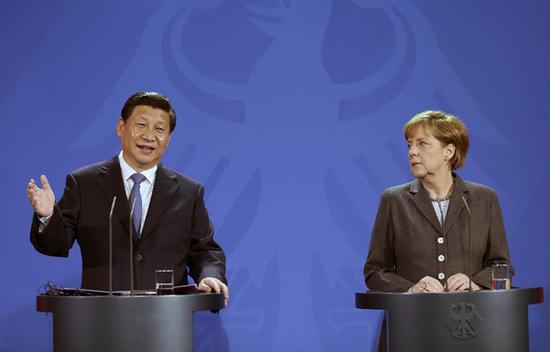
An meeting on economic reform is now taking place in Beijing. It was seen as one of the major steps in pushing forward reform in China. Government officials and ministers are trying to unveil the economic reform program.
The program is expected to cover many areas, including food security, property taxes and expanding limits for private investment. Last week, the new premier, Li Keqiang, vowed to reduce the government's influence on China's economy in a speech to senior Communist Party officials.
China's State Council, the country's cabinet, endorsed a set of reform objectives drafted by the National Development and Reform Commission (NDRC), the economic super-agency in charge of planning and regulation.
Judging by the NDRC's reform objectives for 2013, it is easy to get the impression that China's new leaders have a bold and ambitious agenda. The document covers a wide range of initiatives. The most important are deregulation through a significant reduction of the government's power to approve investmentsChinese sleek sirens. fiscal reform, with a focus on changing a current turnover tax into a value-added tax and expanding the experiment of levying a property taxMagnetic beauties. financial reform through liberalization of interest and exchange rates and gradual progress toward capital account convertibilityCurvy ingenues. promotion of private investment in financial, energy, telecom, and rail transportation sectors, all of which have remained monopolies of the stateChinese inviting girls. reform of the prices of electricity, natural gas, and water in order to promote efficiency and conservationraunchy babes. strengthening social safety nets and improving food safetyChinese dazzling sirens. gradual reform of the urban household registration system to permit more migrants to settle in cities.
shameless ingenues.

Copyright ©Chinese delectable vixens.1999-2011 Chinanews.com. All rights reserved.
Reproduction in whole or in part without permission is prohibited.